
Top Mistakes to Avoid When Posting Bail
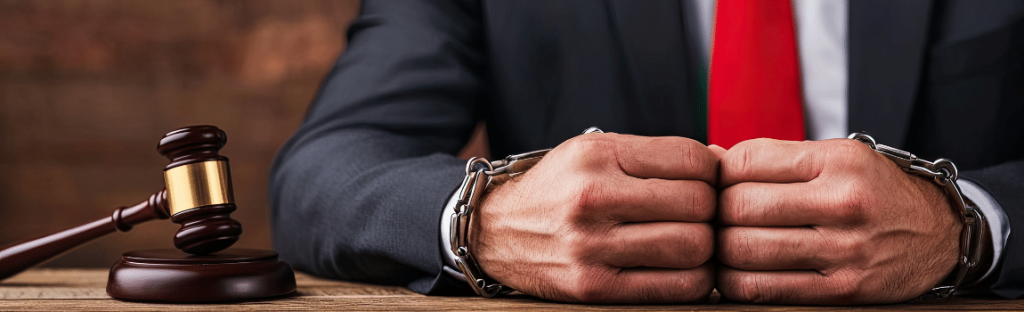
Understanding the bail bonds process is key. Knowing the potential pitfalls helps ensure a smooth legal journey. Your freedom and financial well-being depend on making smart choices when posting bail. Statistics show that 30% of people seeking bail don’t give all the information. This leads to big delays. Every detail is important when dealing with bail bonds. Choosing the right bail bondsman and knowing the legal rules can save you from big mistakes. About 25% of bail applicants pick a bondsman just for low fees. But, this can cause problems. It’s vital to do your homework on bail bond companies to avoid scams or legal trouble. With 40% of people breaking their bail terms and 20% getting re-arrested, knowing your legal duties is crucial. One wrong move can risk your freedom before trial and lead to serious legal issues. Learning about the bail bond process helps protect your rights and reduces risks. The next sections will cover top mistakes to avoid when posting bail and guide you to make wise choices. Understanding the Bail Bond Process The bail bond process can seem complex. But knowing the main steps helps you handle legal issues better. Bail bonds are a key way for defendants to get out of jail while waiting for court. When someone gets arrested, bail bonds offer a financial way out. The surety bond system lets defendants pay a premium, usually 10-15% of the bail. How Bail Bonds Operate The bail bond process has several important steps: Arrest and booking of the defendant Bail amount determination by the court Contact with a bail bondsman Payment of bail bond premium Defendant’s release from custody The Bail Bondsman’s Role A bail bondsman is a key link between the court and the defendant. They provide financial guarantees and help with legal steps. Their main duties include: Assessing the defendant’s risk Collecting the bail bond premium Posting the full bail amount Ensuring court appearance Legal Requirements and Obligations It’s important to know your legal duties when using bail bonds. The defendant must: Attend all scheduled court dates Comply with specific court-mandated conditions Maintain communication with the bail bondsman Not meeting these duties can lead to big financial and legal problems. This includes possible re-arrest and losing the bail bond premium. Providing False Information to Courts and Bail Agencies When you’re dealing with a bail bond agency, honesty is key. Giving false information can lead to serious problems. Your trustworthiness is crucial in the legal system. There are big risks in lying to a bail bond agency or court. These risks include: Immediate bond forfeiture Additional criminal charges Permanent damage to your legal reputation Potential financial penalties “Integrity is telling yourself the truth at all times, especially when interacting with legal institutions.” – Legal Ethics Principle Courts and bail bond agencies check your information carefully. They use many sources to verify it. Any mistake can start a deep investigation that could harm your case. Information Type Verification Method Potential Consequence Personal Details Government Records Bond Revocation Employment Information Employer Verification Additional Charges Residential Address Utility/Tax Records Increased Scrutiny Be open and honest. Work well with your bail bond agency. Give them accurate documents and talk about your situation. This way, you protect your rights and improve your chances of success. The Importance of Choosing the Right Bail Bonds Company Choosing the right bail bonds company is key to your legal journey. With about 90% of defendants unable to pay full bail, picking a reliable bail bondsman is crucial. Your choice of bail bonds company affects your legal experience and financial stability. A good bail bondsman offers vital support during tough times. Verifying Bondsman Credentials When picking a bail bond company, follow these steps: Check the bail bondsman’s state license number Verify active status with the Department of Insurance Confirm membership in professional organizations like NABA Research the company’s years of operational experience Reading Customer Reviews Customer experiences offer valuable insights into a bail bond company. Look for reviews that mention: Clear fee structures 24/7 availability Good communication Support throughout the legal process Ensuring Proper Licensing and Insurance A licensed bail bondsman keeps you safe from fraud. About 70% of bail bond companies follow state rules, so checking is important. Look for a bail bond company that offers: Clear fee explanations Flexible payment options Legal support resources A proven track record of client success By choosing your bail bondsman wisely, you can have a smoother legal experience and save money. Common Address Mistakes When Posting Bail When you’re dealing with bail bond services, it’s key to get your address right. About 25% of bail requests fail because of bad paperwork, with wrong addresses being a big reason. Your address is very important in the bail process. If it’s wrong, you might not get bail and could face more legal trouble. Double-check all residential information before submission Verify current mailing and physical addresses Provide consistent contact details across all documents Update bail bond agency immediately about any address changes Mistakes with your address can lead to big problems. A single error could delay your release by up to one week or even mean you don’t get bail. Bail bond services need the right info to keep in touch and make sure you show up to court. To stay out of trouble, follow these tips: Confirm your current address with multiple official documents Communicate clearly with your bail bondsman Give them extra contact info Know the difference between your mailing and physical addresses Being precise with your address can really help your legal case. Taking the time to check your address can prevent a lot of legal headaches. Travel Restrictions and Bail Violations Traveling while on bail can be tough. It’s key to know your limits to stay out of trouble with the court. Travel rules change based on your case and the court’s rules. Most bail deals limit how far you can go. Understanding Travel Limitations Courts set strict rules for