





A call from the jail about a loved one’s DUI or DWAI arrest usually comes at the worst hour. You hear a name, a facility and a number, and you have no idea what to do first.
Getting someone out of jail is a defined process with a set order of steps. You will see what happens after an arrest, how a judge or a schedule sets bail, what it costs, how a bond works and what you owe once the person is out. Dennis Blackwell Bail Bonds can help you carry it out.
Knowing the order of steps lets you act calmly instead of guessing.
Key Takeaways
- Bail is the amount a court sets, and a bond is one way to pay it.
- Release can come within hours when a county bail schedule applies.
- A first-time misdemeanor usually carries bail of about $500 to $2,500.
- A bondsman typically charges a premium of about 10%, and it is not refunded.
- Missing one court date can bring a warrant and forfeited bail.
- Write down the booking name, jail and booking number first.
What Is the Difference Between Bail and a Bail Bond?
Bail is the dollar figure a court sets, and a bond is one way to pay it. A bail bond is a surety bond posted by a bail bond company to guarantee that the arrestee appears at court dates, which lets the court release the arrestee from detention.
The court has three routes for release. You can pay the full bail in cash, buy a surety bond through a bail bond company, or the court can approve a personal-recognizance bond. Own recognizance means release from jail without paying bail, on your written promise to return to court.
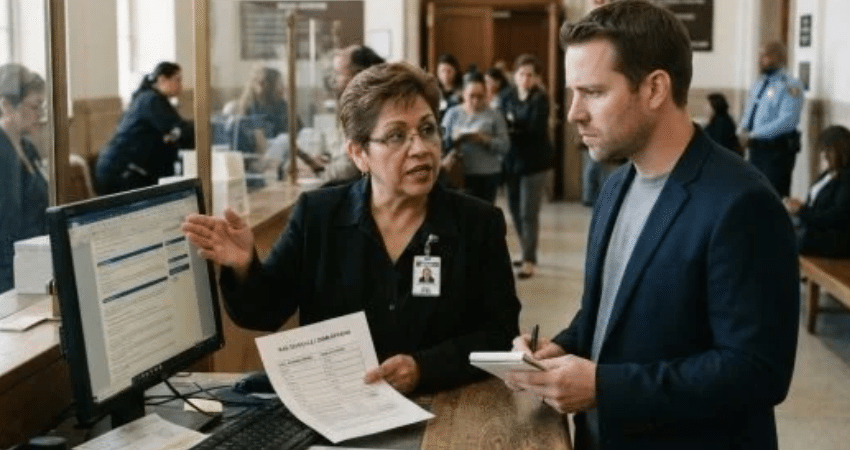
Ask which of the three routes the court has approved before spending any money.
Labels differ by state. DUI and DWI mean driving under the influence or while intoxicated, while DWAI means driving while ability impaired, a lesser alcohol-related charge in some states. The bail process works the same way under each label.
A common mix-up is thinking the premium paid to a bondsman is the bail itself. It is not. The premium is the bondsman’s fee for posting the bail on the arrestee’s behalf.
What Happens After a DUI or DWAI Arrest Before Bail Is Set?
Release usually comes within hours when a county bail schedule applies, and within about 24 to 48 hours when you wait for a judge. Some Georgia counties see release about 8 to 12 hours after arrest. The path to that point follows a fixed order.
- A traffic stop or checkpoint.
- Field sobriety tests and a breath test.
- Arrest and a Miranda warning.
- Booking at the police station.
- Bail from a schedule, or arraignment before a judge.
Most states treat a blood alcohol concentration of 0.08% or higher while driving as drunk driving. Many counties set bail at booking from a bail schedule for common offenses, so a first DUI can be priced within hours.

Arraignment is the first court appearance, where the judge decides bail. A bail hearing usually occurs within 24 to 48 hours of arrest, and some states allow up to 72 hours or longer on weekends or holidays. A person who is still intoxicated is often held in jail until sober.
Write down the booking name, jail location and booking number as soon as you learn them, because every later step needs them.
How Much Is Bail for a DUI or DWAI?
A first-time misdemeanor DUI usually carries bail of about $500 to $2,500. Serious cases with aggravating factors can reach $50,000 or more. Amounts vary by county and state, so no number can be promised for any specific case.
| Case type | Typical bail range | Main driver |
|---|---|---|
| First offense misdemeanor | $500 to $2,500 | No aggravating factors |
| Repeat offense | Higher than a first offense | Prior DUI convictions |
| High BAC | Higher than a first offense | BAC around 0.15% or higher |
| Felony or injury | $50,000 or more | Serious injury or death |
A second offense usually brings a higher amount than a first. A prosecutor can add or change a charge after review, and that changes the bond. Towing and court costs come on top of bail.
Typical Bail for a First Offense
Most first arrests with no crash and a modest breath result land at the low end of the range. A county schedule often sets the figure at booking, so you may learn it within hours.
What Raises the Amount
Judges raise bail for a prior license suspension, a BAC around 0.15% or higher, a child in the vehicle, or refusal of a chemical test. A non-DUI record involving violence or missed court dates also pushes the figure up.
When Bail Can Be Denied
Prior DUI convictions, serious injury or death, and flight risk can lead a court to deny bail. In those cases no bond is available until the judge changes the order.
Ask the jail or clerk for the exact scheduled amount for each separate charge.
When Can You Be Released Without Paying Bail?
Many first-time DUI arrestees walk out without paying anything. Most DUI and DWI arrestees in the U.S. are released before trial without posting bail, often on own recognizance, after signing a written promise to return to court.
Judges look for five traits. The arrestee is a first-time offender who is not a flight risk, has no criminal record, caused no accident or injury, had a BAC close to the legal limit, and has community ties. Not every judge weighs them the same way.
Some jurisdictions release on own recognizance after 24 to 72 hours instead of at the first hearing. The wait depends on the court calendar and the facility.
A frequent mistake is assuming own recognizance means no consequences. If the arrestee misses a hearing, the court can issue a warrant, and fresh charges for failing to appear can follow.
Gather proof of a job, address and family ties before the hearing, since the judge weighs them.
How Do DUI, DWAI Bail Bonds Work?
With a bond you typically pay about 10% of the bail, and that premium is not refunded. A bail bond is a surety bond posted by a bail bond company to guarantee the arrestee appears at court dates, so you post bail for a fraction of the full amount.
Take a $2,000 bail. At 10%, the premium is $200, which stays with the bondsman. The bondsman covers the rest and answers to the court if the arrestee skips a date.
| Option | Upfront cost | Refundable | Speed |
|---|---|---|---|
| Cash bail | Full bail amount | Yes, if all court dates are met | Fast |
| Surety bond | About 10% premium | No | Fast |
| Property bond | Property pledged | Yes, if all court dates are met | Slow, needs court approval |
The Bondsman’s Premium
A bondsman usually charges a non-refundable premium of about 10% of bail, and some states set it at other levels. The rate is the same whether the case ends in a plea or a dismissal.
Cash and Property Options
Full cash bail is usually refunded if all court dates are met. A property bond needs court approval and takes longer, so it rarely helps in the first hours.
Collateral and Cosigners
Risky defendants may be asked for collateral or a cosigner. The cosigner promises to cover the bond if the arrestee disappears.
Get the premium, collateral terms and check-in rules in writing before you sign.
What Are Your Obligations After the Bond Is Posted?
The bond holds only if the arrestee shows up to every court date. Missing a single date can lead to a warrant and forfeited bail.
The arrestee should also stay in contact with the bondsman and report any change of address or phone number. A bondsman who cannot reach a client may suspect flight and act on it.
A cosigner owes the full bond amount if the arrestee fails to appear. That makes the cosigner’s role a real financial risk, not a formality.
Many bond contracts last one year, and a renewal fee may apply if the case runs longer. Long DUI cases with several continuances often cross that line.
If charges change, the bond amount can rise or fall. A prosecutor may reduce the charge, but the premium is not refunded on a decrease.
Put every hearing date in a phone calendar with two reminders.
What Can You Do If Bail Is Too High or Out of Reach?
A defense attorney can ask the judge to lower bail or swap it for conditions. Someone who cannot post bail usually stays in jail until the court date, which can mean days, weeks or months.
That time costs a job and hurts trial preparation. A qualified attorney can seek a reduction, argue for own recognizance, or negotiate terms such as electronic monitoring and court check-ins. Consult a licensed attorney, because no outcome is guaranteed.
- A bail reduction request.
- An own recognizance request.
- Electronic monitoring.
- An ignition interlock device.
- An appeal of the bail decision.
Asking for a Bail Reduction
The attorney presents community ties, work history and a low flight risk. Judges weigh those points when they decide whether a lower figure still ensures the arrestee returns.
Release Conditions Like Alcohol Monitoring
Common conditions include a SCRAM bracelet, which tracks alcohol through the skin, an ignition interlock device, driving limits and pretrial check-ins. They give the judge comfort when the license and alcohol risk are the worry.
Call a licensed DUI attorney before the bail hearing, not after.
How Do You Post Bail With Dennis Blackwell Bail Bonds?
Start by collecting the arrestee’s full name, booking number, jail and bail amount. With those details in hand, you can contact Dennis Blackwell Bail Bonds, and its Colorado DUI and DWAI bail services cover in-person and online bonding with agents available around the clock.
- Gather the name, booking number, jail and bail amount.
- Contact Dennis Blackwell Bail Bonds.
- Complete the paperwork and pay the premium.
- The cosigner signs.
- The jail processes the release.
State rules matter. DUI and DWAI bail bonds in California follow local schedules, and DUI and DWI bail bonds in Texas follow county rules and court practice.
Some states ban commercial bail. Oregon, Wisconsin and Kentucky prohibit for-profit bail bond companies, and New Jersey and Illinois replaced traditional cash bail with pretrial release frameworks. A bond is only needed where the court sets bail.
Confirm the release paperwork and court dates before leaving the office.
Conclusion
Getting someone out after a DUI or DWAI arrest comes down to knowing the amount, the route and the court dates. Bail is the court’s number, and a bond is a way to meet it.
Showing up to court protects the bond, for the arrestee and for anyone who cosigned. Keep the paperwork and hearing dates together in one place.
Gather the booking details and call Dennis Blackwell Bail Bonds today.
FAQ
Can you get out of jail after a DUI without bail?
Yes, many first-time arrestees leave on own recognizance. Judges favor cases with no accident, no injury, no prior record and strong community ties. The arrestee signs a written promise to return to court. Some courts take 24 to 72 hours to grant it, so an early hearing date matters.
How long does it take to get out after posting bail?
Release often takes several hours after the bond is posted. The wait depends on how busy the jail is, how many staff are on shift and how quickly records are checked. Nights, weekends and holidays run slower. Ask the bondsman for a realistic estimate for that facility.
Is the bail bond fee refundable?
No, the premium paid to a bondsman is not refundable. It is usually about 10% of the bail, though some states set other levels. The fee pays for the service of posting the bond, so it stays paid even if the charges are dropped or reduced.
What happens if the arrestee misses court?
The court can issue a warrant and forfeit the bail. The bail bond company then looks to the arrestee and any cosigner for the full bond amount. A cosigner can owe the whole sum. Contact the bondsman and the attorney immediately if a date is missed.
Do you need a lawyer to post bail?
No, you can post bail without a lawyer, either in cash or through a bail bond company. A lawyer becomes useful when the amount is too high. An attorney can ask the judge for a reduction or for release with conditions, and can prepare the case from the start.
Is DWAI different from DUI?
DWAI is a lesser alcohol-related charge in some states, meaning driving while ability impaired. DUI covers driving under the influence. The bail process is similar for both, with a schedule or a judge setting the amount. Penalties and the exact bail figure can differ by state and county.
Can bail be denied for a DUI?
Yes, though it is not common. Courts may deny bail after prior DUI convictions, when a crash caused serious injury or death, or when the arrestee looks likely to flee. In those cases a judge decides at a hearing, and an attorney can argue for release.