
Where to Find Bail Information in Colorado Springs?
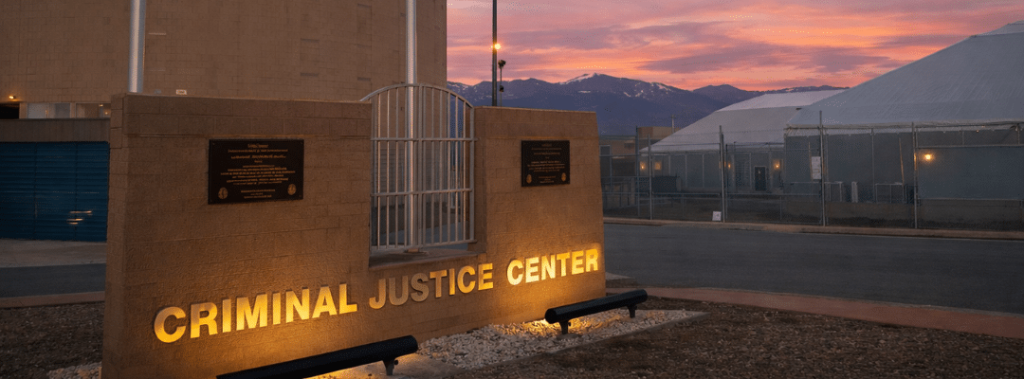
The fastest way to find bail information in Colorado Springs is by using official systems like the El Paso County Sheriff’s Office inmate lookup or contacting the Criminal Justice Center (CJC) directly. When someone is arrested, their booking and bond details are entered into the system after processing. This can take time, especially during busy periods. Colorado law also requires a bond hearing within 48 hours if bail is not immediately set. We guide readers through each step so they can act quickly and avoid confusion. Continue reading for clear guidance on how to find bail information and what to expect during the process. Key takeaways When things move quickly, it helps to focus on a few clear points. These basics help you act faster and avoid unnecessary delays. What is the fastest way to find bail information? Start with official sources first. The quickest option is the El Paso County Sheriff’s inmate lookup system. It runs 24 hours a day and updates once booking is complete. If the person was just arrested, the system may not show them right away. In that case, calling the Criminal Justice Center directly is the next step. Most people follow this order: This approach usually gives you the fastest and most accurate answer. When does bail information become available? Timing depends on booking. After an arrest, the person goes through processing. This includes paperwork, fingerprints, and entering details into the system. That step can take a few hours. Once booking is complete, bail information usually appears shortly after. If no bond is set right away, a hearing must happen within 48 hours. Here’s a simple breakdown: Step What happens Typical timing Arrest Person taken into custody Immediate Booking Info entered into system Few hours Bail listed Bond amount becomes visible Same day (usually) No bond set Court hearing required Within 48 hours This timeline helps explain why information may not show up right away. Where can you search for inmate and bail details? There are a few reliable options. The most common places to check: The online system is usually the fastest. But if there’s a delay, calling can confirm details sooner. Before searching, make sure you have: Small errors in names can cause search results to fail. What types of bonds are used in Colorado Springs? Not all bonds work the same way. The court decides which type applies based on risk, charges, and background. The most common types include: Bond Type How it works When it’s used PR Bond No payment, promise to appear Lower-risk cases Cash Bond Full amount paid upfront When funds are available Surety Bond Pay 10–15% through a bondsman Most common option Property Bond Uses real estate as collateral Less common, more complex Most families end up using a surety bond because it doesn’t require the full amount upfront. Understanding bail bonds in Colorado Springs helps you choose the right option faster. How do you post bail at the jail? Posting bail is straightforward, but details matter. You can post bail directly at the Criminal Justice Center. It’s open 24/7, but only certain payment types are accepted. Common options include: Before going, confirm: A simple process usually follows: There may also be a small administrative fee. How long does release take after bail is posted? This is where people often get frustrated. Even after payment, release is not instant. The jail still needs to complete checks. According to the El Paso County Sheriff’s Office, “If your loved one has a bond set, a six-hour release requirement kicks in once specific conditions are met. The sheriff must release a defendant within six hours after a bond is set.” Most releases take 2 to 6 hours after bail is posted. Delays can happen due to jail workload, staff availability, or additional holds or warrants. If bail is posted late at night, release may happen early the next morning. Sometimes releases happen in batches, especially during busy times. If bail is posted late at night, release may happen early the next morning. What happens if no bond is set right away? This situation is called “no bond.” It means a judge has not yet reviewed the case. Under Colorado law, a hearing must happen within 48 hours. The Colorado State Public Defender’s office confirms that if you have been arrested, “you will have an initial court appearance before a judge within 48 hours. This appearance is guaranteed as part of your constitutional rights.” At that hearing, the judge decides: if the person can be released, the bail amount, and any conditions for release. Possible outcomes include: The decision depends on the details of the case. How can a bail bondsman help during this process? When things feel urgent, many families turn to a bail bondsman for help. Getting local Colorado Springs bail help can make the process much smoother. A bail bondsman steps in when the full bail amount is too high to pay upfront. Instead of paying the full amount, you pay a percentage, usually 10–15%, and the bondsman covers the rest. But their role goes beyond payment. They also help with: In stressful situations, that guidance makes a big difference. Most people going through this process are doing it for the first time. Working with a professional helps avoid delays and mistakes. What should you avoid when trying to find or post bail? It’s easy to rush when you’re trying to help someone get out of jail. That’s when small mistakes happen. Working with an expert bail bond professional helps you avoid them. A few common issues to watch for: Another major issue is missing court dates after release. If the person does not appear in court: Taking a few extra minutes to confirm details helps prevent bigger problems later. How can families stay organized during the process? Things move fast, so staying organized helps more than people expect. Simple steps can make everything easier: Many people rely only on memory during stressful moments. That’s usually where
Expert Bail Bond Guide for Colorado Springs – Get Help

The bail bond process in Colorado Springs allows a defendant to be released from jail by paying bail or working with a bail bondsman while awaiting court. When someone is arrested, they are taken to the El Paso County Criminal Justice Center for booking. A judicial officer then sets bail based on risk, charges, and court history. This process is designed to protect public safety while allowing temporary release under set conditions. We understand this situation can feel overwhelming and urgent. Clear steps and accurate information help families act quickly and avoid mistakes. Continue reading for step-by-step guidance on how bail works and what to expect next. Key takeaways When things move fast, it helps to focus on the basics first. These points come up again and again, especially in urgent situations. What happens after an arrest in Colorado Springs? After someone is arrested, everything starts with booking. They are taken to the El Paso County Criminal Justice Center. There, officers record personal details, take fingerprints, and log the charges. It’s mostly administrative, but it has to be done before anything else moves forward. Within about 48 hours, the person usually sees a judge or magistrate. This is called a bond hearing. At that hearing, the court decides: The court looks at things like safety, past history, and whether the person is likely to show up in court. How is bail amount determined? Bail isn’t random. Judges follow a structured way of deciding it. They look at several factors before setting the amount: Someone with strong local ties and no history of missing court may get lower bail, or sometimes no bail at all. More serious charges, or a history of skipping court, usually lead to higher bail. What types of bail bonds are available? There isn’t just one way to post bail. There are a few options, depending on the situation. Bond Type How It Works Key Consideration Personal Recognizance (PR) No upfront payment; release based on trust and community ties Best option for low-risk defendants with strong local connections Surety Bond Bail bondsman posts full bail for a non-refundable premium (typically 10-15%) Most common choice; requires a co-signer Cash Bond Full bail amount paid directly to the court Full amount refunded after court appearances, minus fees Property Bond Property value used as collateral instead of cash Requires sufficient equity; lien placed on property Most families end up using a surety bond because it doesn’t require paying the full amount upfront. Each option comes with different requirements and levels of financial risk. How does a bail bondsman help? This is where most people turn when bail is too high to pay in full. A bail bondsman posts the full bail amount for you. In return, you pay a percentage, usually around 10 to 15 percent. That payment is non-refundable. Understanding how bail bonds in Colorado Springs work helps families know what to expect before signing anything. The process usually looks like this: After that, the jail begins processing the release. Companies like Dennis Blackwell Bail Bonds walk families through each step, especially when things feel rushed or confusing. How long does release take? This is one part that surprises people. Even after bail is posted, release is not instant. The jail still has to complete an out-processing procedure. That usually includes: Most releases happen within 2 to 6 hours after bail is accepted. Sometimes faster, sometimes slower depending on how busy the jail is. What does a co-signer actually do? A co-signer, also called an indemnitor, takes on real responsibility. They are not just helping, they are financially tied to the bond. That means they agree to: This isn’t something to take lightly. If the defendant misses court, the co-signer may be responsible for the full amount. What happens if someone misses court? If someone fails to appear, the court can: Nationwide data from the Bureau of Justice Statistics shows that among defendants who missed court, those released on a surety bond were substantially more likely to be returned to custody quickly. According to a comprehensive BJS study covering 15 years of data across the 75 largest U.S. counties, after one year only 3% of people released on a bail bond remained at large, compared to 8% for personal recognizance bonds and 10% for those released through pretrial programs. In many cases, a bounty hunter or fugitive recovery agent may get involved to locate the person. Can bail be reduced? Yes, but it takes a formal request. If bail is set too high, a lawyer or public defender can file a motion to reduce it. The court may review: Conditions might include: If the court agrees, bail can be lowered to something more manageable. How do bail bond professionals support families? When someone is in jail, families usually don’t have time to figure everything out slowly. That’s where a bail bond professional comes in. Their role isn’t just posting bail. They help guide the process so things don’t get missed. Most people they work with are dealing with this for the first time, so questions come up right away. A good bail agent helps by breaking things down into simple steps. The Colorado Division of Insurance, which regulates the bail bonding industry in the state, notes that complaints against agents often involve “overcharging of premium, misappropriation of premium and collateral, other fiduciary violations and failure to provide required documents”. This is why working with a licensed, reputable professional matters, they are bound by state oversight and consumer protection laws. Here’s what that support often looks like: They also help keep things on track after release. That includes: In stressful situations, having someone who knows the system can make things feel more manageable. What mistakes should families avoid during the bail process? When things feel urgent, it’s easy to rush. That’s usually when mistakes happen. One of the biggest mistakes is not fully understanding the responsibility of signing a bond. A co-signer is taking on real financial risk, not
Local Colorado Springs Bail Help: What You Need to Know

When someone gets arrested in Colorado Springs, bail lets them get out of jail by paying money or using a bond. The person must promise to come back to court when told. Most people go to the El Paso County Criminal Justice Center after arrest. A judge usually sets bail within 48 hours. Knowing how this works helps families act fast and stay calm. We will walk through each step so readers feel ready if bail is needed. Key Takeaways Here are three important things to know before we start. What Happens After an Arrest in Colorado Springs? When law enforcement arrests someone, they take the person to the El Paso County Criminal Justice Center for booking. During booking, staff write down personal information, take fingerprints, and take a photograph. They also list the charges and check for any past arrests. A bond hearing must happen within 48 hours. Colorado law requires this so people are not held longer than needed. A judge looks at the charges, the person’s ties to the community, and whether the person has missed court before. The judge also thinks about public safety. The Fourth Judicial District runs these hearings and follows clear rules for setting bail. According to the Colorado Revised Statutes, Colorado law requires that, “an in-custody arrestee be brought before a court for bond setting as soon as practicable, but no later than forty-eight hours after arrival at a jail or holding facility.” After bond is posted, state law mandates release within six hours unless extraordinary circumstances exist . What Types of Bail Bonds Are Available? Courts in Colorado Springs offer different kinds of bonds. Each type has its own rules. The judge decides which type to allow based on the case and the person’s background. Here are the most common bond types used in El Paso County: Each option works for different situations. Cash bonds need a lot of money right away. Surety bonds give families a more affordable way to get someone released. How Does a Surety Bond Work in Practice? A surety bond means working with a professional bail bondsman. The bondsman posts bail for the person in jail. This option helps when the full cash amount is too high to pay. The process starts when a family member calls a bail bond agency. The bondsman asks about the person in jail and the charges. Once the paperwork is signed, the bondsman files it with the jail. This can lead to a fast release, especially when the agency knows the El Paso County Criminal Justice Center well. A co-signer is usually needed for a surety bond. The co-signer agrees to pay the full bail if the person misses court. Many agencies offer 24/7 bail bonds Colorado Springs services to help at any time of day. What Factors Affect Bail Amount and Conditions? Judges look at several things when setting bail. They want to make sure the person comes back to court and does not pose a danger. Every case is looked at on its own. A risk assessment helps the judge decide. Serious charges often mean higher bail. The judge also checks if the person has missed court before. A history of missing court can lead to stricter rules or higher bail. Research from the University of Northern Colorado confirms the importance of these evaluations. According to a study on the Colorado Pretrial Risk Assessment Tool, pretrial risk assessments provide an objective analysis of an arrested person to determine whether he or she will reappear in court or will be rearrested upon being released from jail. This research was conducted with support from the Colorado Office of State Planning and Budgeting and has helped improve the accuracy of risk evaluations across the state . The judge may add extra rules beyond the bail amount. These can include GPS tracking, electronic monitoring, drug testing, or regular check-ins with Justice Services. For domestic violence cases, a restraining order may be required. These rules help keep everyone safe while the case moves forward. What Happens If Someone Misses Court? Missing a court date creates serious problems. The court acts quickly when someone does not show up. The person who helped with bail can also face consequences. Here are the typical results when a defendant misses court: If a court date is missed, fast action matters. An experienced bail bondsman may help with a process called consent of surety. This can sometimes get the bond back if the bondsman and court agree. How Do Bail Bond Professionals Help Locally? Bail bond professionals help families during stressful times. They explain the paperwork, court rules, and timelines. This support makes a hard situation easier to handle. An experienced bail bondsman knows the local courts and the El Paso County Criminal Justice Center. That knowledge helps avoid delays that come from missing paperwork. Many agencies are located near the jail, so they can process releases quickly. Dennis Blackwell Bail Bonds helps families understand their choices. The agency explains court requirements and what to do after release. Having a trusted professional to call reduces confusion and helps families focus on supporting their loved one. Colorado Springs Bail Process Explained Simply The bail process follows clear steps from arrest to release. Knowing these steps helps families know what to expect. Following these steps carefully helps avoid delays. Families who understand the process can act quickly when time matters. Frequently Asked Questions Can I bail someone out if I live in another state? Yes, you can still help someone get released even if you live outside Colorado. Most bail bond agencies allow you to complete the paperwork remotely by fax, email, or secure online forms. You may need to provide identification and possibly a credit card for the premium payment. The bondsman will guide you through the steps to ensure everything is handled correctly from a distance. What happens to the bail money if the charges are dropped? If the court dismisses the charges, any cash bond paid
Top Reasons to Choose a Local Pueblo Bail Bondsman

When facing legal troubles, the last thing you want is to be stuck in jail waiting for your court date. Did you know that a local bail bondsman can significantly expedite your release? Choosing a local Pueblo bail bondsman offers numerous benefits, including personalized service and a deep understanding of the local legal system. A local bail bondsman knows the intricacies of Pueblo’s courts and detention centers, ensuring a smoother bail process. By opting for a local bail bonds agent, you can manage the legal system more efficiently, reducing the stress and uncertainty associated with legal proceedings. Key Takeaways Understanding the Role of Bail Bondsmen in the Legal System Getting through the legal system in Pueblo requires a clear understanding of how bail bondsmen operate and their importance in the judicial process. Bail bondsmen play a crucial role in the legal system by providing financial assistance with bail bonds to defendants, enabling them to secure release from jail while awaiting trial. What Bail Bondsmen Do Bail bondsmen serve as a vital link between defendants and the court system. They provide the necessary financial guarantee, allowing defendants to be released from custody. This service is essential for defendants who cannot afford to pay the bail amount set by the court. Bail in Pueblo, Colorado In Pueblo, Colorado, the bail process involves specific legal requirements and regulations. Local bail bondsmen are well-versed in these regulations, ensuring compliance with all legal requirements. The bail process begins with the court setting a bail amount, which the defendant or their family can then use a bail bondsman to cover. Legal Requirements for Bail Bonds Posting bail isn’t just about paying money, it involves a series of legal guidelines that both families and bail bond agents must follow. These rules are in place to ensure fairness, accountability, and proper handling of every case. In Colorado and Pueblo County, understanding these requirements helps families avoid delays and ensures the release process goes as smoothly as possible. Colorado State Regulations Colorado sets the statewide standards that all licensed bail bond agents must follow. These regulations cover: These laws protect both the defendant and the co-signer, ensuring transparency and accountability within the bail bond process. Pueblo County Requirements & Local Procedures While Colorado sets the foundation, Pueblo County has its own rules and court procedures that families must be aware of. These local specifics can influence how quickly someone is released. They often include: Because these local procedures can be detailed and time-sensitive, working with a bondsman familiar with Pueblo courts helps prevent unnecessary delays. The Critical Importance of Quick Release from Jail When you’re arrested and jailed, getting out quickly is vital for minimizing the impact on your personal and professional life. A quick release allows you to resume your daily responsibilities and address your legal situation more effectively. Impact on Employment and Income Being in jail, even for a short period, can have significant consequences on your employment and income. Losing your job due to absence can lead to financial instability, making it harder to afford legal representation and other necessities. By securing a quick release, you can minimize the risk of job loss and maintain your financial stability. “The sooner you’re out of jail, the better you can manage your work and financial obligations,” says a local bail bondsman. “It’s not just about getting out; it’s about getting back to your life.” Family Considerations For many defendants, family is a significant concern. Being incarcerated can cause emotional distress for both the defendant and their loved ones. A quick release helps to alleviate this stress and allows families to support their loved ones more effectively during this challenging time. Family considerations are crucial when dealing with the legal system. By choosing a local Pueblo bail bondsman like Dennis Blackwell, you can ensure a faster release, which is better for your family’s well-being. Preparing for Court Appearances Preparing for court appearances is much easier when you’re not behind bars. A quick release gives you the opportunity to gather evidence, consult with your attorney, and prepare your defense. This preparation is key to achieving a more favorable outcome in your case. Mental and Emotional Well-being The mental and emotional toll of being incarcerated can be severe. Stress, anxiety, and depression are common among jail inmates. By securing a quick release, you can mitigate these negative effects and maintain your mental and emotional well-being. “The freedom to prepare for your trial in a less stressful environment can significantly impact your mental health and overall outlook on your case.” By understanding the importance of a quick release from jail, you can make informed decisions about your legal situation and choose the right bail bondsman to help you through this process. Top Reasons to Choose a Local Bail Bondsman Over Out-of-Town Agencies For those arrested in Pueblo, selecting a local bail bondsman can make a significant difference in their experience. Local bail bondsmen offer several advantages that can streamline the bail process and provide support throughout the legal proceedings. Local Knowledge and Expertise A local Colorado bail bondsman possesses intimate knowledge of the local legal system, including the courts, judges, and law enforcement agencies. This expertise enables them to navigate the complexities of the bail process efficiently, ensuring that defendants are released quickly and with minimal hassle. Faster Response Times Local bail bondsmen can respond rapidly to arrests, day or night. This quick response time is crucial in minimizing the time spent in jail, allowing defendants to return to their daily lives and prepare for their court appearances. Personalized Service Local bail bondsmen provide personalized service tailored to the individual needs of their clients. They understand the stress and uncertainty that comes with an arrest and offer compassionate guidance throughout the bail process. Accountability to the Community Local bail bondsmen are accountable to their community, which fosters a sense of trust and reliability. They have a reputation to uphold within Pueblo, ensuring that they maintain high standards of service and integrity.
Choosing the Right Bail Bondsman in Pueblo: 7 Key Questions

When a loved one is arrested, emotions can run high, and time feels limited. The process of posting bail can quickly become confusing, especially if you’ve never had to deal with the criminal justice system before. You may find yourself wondering, What are the most important factors to consider when choosing the right bail bondsman in Pueblo? With numerous options available, it’s crucial to ask 7 key questions to ensure you make an informed decision. The right professional can guide you through the process, explain your options clearly, and help secure your loved one’s release as quickly as possible. Over 2 million people in the US use commercial bail bond agents annually. In Pueblo, navigating the bail bond process requires understanding what qualifications and services to look for in a bail bondsman to avoid unnecessary stress and financial risk.. By asking the right questions, you can confidently choose a reliable Pueblo bail bond agent who meets your needs. The Bail Bond Process in Pueblo, Colorado The bail bond process in Pueblo, Colorado, can be complex, but knowing how it works can help you navigate the system more effectively. When a person is arrested, they are taken into custody and booked at the Pueblo County Jail. The next step is a bail hearing, where a judge determines the bail amount based on the severity of the charges and the defendant’s criminal history. The bail amount depends on several factors, including: The severity and nature of the charges The defendant’s prior criminal record The perceived flight risk or threat to public safety Local bail schedules and court discretion Once bail is set, the defendant or their family can either pay the full amount directly to the court or seek help from a licensed bail bondsman in Pueblo to post the bond on their behalf. How Bail Works in Pueblo County In Pueblo County, bail is set to ensure that the defendant appears in court for their scheduled hearings. The bail amount can vary significantly depending on the charges. For instance, more serious offenses typically result in higher bail amounts. If the defendant appears as required, the bail is returned at the end of the case (minus applicable fees). However, if they fail to appear, the bail can be forfeited, and a warrant may be issued for their arrest. Understanding how bail works is crucial for anyone looking to secure the release of a loved one. The bail hearing is where the judge decides the bail amount. The bail amount is influenced by the severity of the charges and the defendant’s past. A bail bondsman can help by posting the bail on behalf of the defendant. Once payment and paperwork are complete, the bondsman posts bail, and the defendant is released pending trial. Understanding this process helps you act quickly and avoid unnecessary delays that can extend time in custody. The Role of a Bail Bondsman A bail bondsman plays a vital role in the bail bond process by providing the necessary funds to secure the defendant’s release. By covering the bail amount on behalf of the defendant, the bondsman allows them to return home, maintain employment, and prepare for upcoming court appearances. In Pueblo, a bail bondsman typically charges a non-refundable fee, usually a percentage of the total bail amount, to post the bail bond. This service allows defendants to remain free until their trial, provided they meet the conditions set by the court. Beyond providing financial support, reputable bail bond companies also offer valuable guidance. They explain court obligations, assist with paperwork, and ensure the defendant understands the conditions of release. This level of professional support can make a significant difference during a stressful and uncertain time. By understanding the bail bond process and the essential role of a qualified bondsman, families can make informed, confident decisions that help their loved ones return home quickly while staying compliant with court requirements. Why Choosing the Right Bail Bondsman Matters Selecting a bail bondsman in Pueblo is a critical decision that can significantly impact your financial situation and legal standing. When you’re dealing with the legal system, having a reliable and competent bail bondsman can make a substantial difference. Financial Implications The financial side of posting bail can be overwhelming for families. Choosing a reputable Pueblo bail bondsman helps ensure transparency and protects you from unnecessary costs. Licensed and trustworthy bail bond agents in Colorado typically charge a standard fee between 10% and 15% of the total bail amount, as regulated by state law. However, some less reputable providers may take advantage of families under pressure by adding hidden fees, imposing strict collateral requirements, or offering misleading payment terms. An experienced bondsman will clearly explain all costs upfront, provide written agreements, and offer flexible payment options when possible. Working with an honest bondsman doesn’t just protect your finances—it also helps you avoid unexpected expenses or disputes later in the legal process. By partnering with a transparent and professional agency, you can ensure that your loved one’s release is handled efficiently and fairly. Legal Consequences The legal consequences of choosing an inexperienced or unlicensed bail bondsman can be significant. The bail process involves strict regulations and court procedures that must be followed precisely. A bondsman who lacks proper credentials or understanding of Colorado’s bail laws could make procedural errors that lead to bond forfeiture, delayed release, or additional legal complications for the defendant. Conversely, a licensed and knowledgeable bail bond agent ensures that every step, from paperwork to court filings is completed correctly and in compliance with Pueblo County court requirements. They understand how to manage timelines, communicate with detention staff, and handle court obligations effectively. Ultimately, choosing the right professional safeguards both the defendant’s legal standing and your family’s peace of mind throughout the process. Peace of Mind During a Stressful Time Facing an arrest is one of the most stressful experiences a family can endure. Beyond the financial and legal complexities, the uncertainty of what comes next can be emotionally draining.