
Why Use a Bail Guide? A Simple Explanation

You just got the call. Someone you care about is in the El Paso County jail. The system moves quickly, and simple mistakes can keep them there for days longer than necessary. We’re Dennis Blackwell Bail Bonds. Our job is to guide you through this confusing process with clear, local advice. This guide explains the practical steps to take right now, the costs you can expect, and how to avoid the common errors that slow everything down. Ready to get started and get them home faster? Keep reading. Key Takeaways What Does a Bail Guide Actually Do? A bail guide explains the full process from arrest to release so you can act quickly and avoid mistakes. At Dennis Blackwell Bail Bonds, we see many first-time cases where families do not know what happens after booking. A guide breaks this down into clear steps, providing local Colorado Springs bail help so nothing gets missed. Most people do not understand how jail booking, bond posting, and court scheduling work. Many delays happen because of missing details or confusion about what comes next. Before moving forward, here is what a bail guide typically covers: Our team offers bail bonds in Colorado Springs with simple instructions so families can move forward without guessing. Why Is Understanding Bail Options Critical Before Posting Bail? Knowing your bail options helps you avoid paying more than necessary and choose the fastest path to release. In El Paso County, we often see families try to gather full cash bail when a surety bond would cost much less. That delay can keep someone in custody longer than needed. The Bureau of Justice Statistics reports that about 90% of defendants cannot afford full cash bail, which is why understanding options matters before making a decision. Here is a simple comparison to help guide your choice: Option Cost Refundable Use Case Cash Bail 100% upfront Yes Immediate release if funds available Surety Bond ~10% fee No Most common option Property Bond Asset-based Yes High bail amounts Recognizance $0 N/A Low-risk cases We explain each option clearly so you can choose what fits your situation and move faster. How Does a Bail Guide Help Reduce Pretrial Detention Risks? Getting someone out of jail isn’t just about money. It’s about time. The longer a person sits in a cell before their court date, the worse the situation gets. A good bail guide helps you move fast, and that speed directly reduces the damage. We see the fallout all the time. Someone gets arrested on a Friday. Without a clear plan, they might not see a judge until Monday. By Tuesday, their boss has called in a replacement. Missed bills pile up. Kids need to be picked up. The stress on a family becomes immense. It’s a chain reaction that starts with a delay. Research shows that people held in jail before trial are three to four times more likely to plead guilty. The pressure is overwhelming. Sitting in custody makes people desperate to just “get it over with,” even if it means a permanent record. It limits their ability to meet with a lawyer or build a defense. As noted by 9NEWS “Colorado’s system is very effective in getting people who are not a danger to society in general, out of jail waiting trial. It’s expensive to keep someone in jail, and it also is inconsistent with the Constitution. Everybody has a right to a reasonable bail.” – 9NEWS A guide helps you sidestep these traps by providing clear, immediate steps. Here’s what it focuses on: At Dennis Blackwell, our process is built on urgent clarity. We know the local judges, the jail’s release schedule, and the paperwork quirks. The goal is to turn a chaotic process into clear, actionable steps. When you know what comes next, you can act. That action shrinks the window of risk, keeps jobs secure, and gives your loved one a real chance to prepare. Every hour you save matters. How Can a Bail Guide Improve Your Chances at a Bail Hearing? A bail guide helps you prepare strong information that can influence how bail is set. In Colorado, judges consider risk factors like employment, criminal history, and community ties. Presenting this information clearly can lead to lower bail or better conditions. We often guide families on what details matter most before a hearing. Here are the key factors that affect decisions: The magistrate judge uses this information to decide if the defendant is likely to return to court. We help organize these details so they are ready when needed. What Financial Mistakes Can a Bail Guide Help You Avoid? A bail guide helps you understand costs so you do not overpay or misunderstand the agreement. Many families assume the bail bond fee is refundable. It is not. The 10% premium fee is almost always non-refundable, even if charges are dropped. We explain all costs clearly before any paperwork is signed. Before agreeing to a bond, keep these common mistakes in mind: Bond fees are non-refundable in nearly 100% of cases, which surprises many first-time clients. We take time to explain each detail so there are no surprises later. How Does a Bail Guide Explain Legal Responsibilities After Release? Getting someone out of jail is a major relief, but it’s not the finish line. The court grants release under specific conditions. A bail guide makes those conditions impossible to misunderstand, because violating them doesn’t just risk a return to jail, it can mean you forfeit the entire bond amount. In El Paso County, judges take these rules seriously. The conditions aren’t suggestions; they are strict requirements monitored by the court and the sheriff’s office. The system is designed to ensure the person returns for every court date and doesn’t get into more trouble while their case is pending. A clear guide explains each common requirement in plain terms, so there’s no confusion about what “compliance” really means. Here is what you and the released individual are responsible for:
Complete Bail Bond Resource: Colorado Springs Explained

When someone is arrested in Colorado Springs, they can be released from custody by paying bail. This is a financial guarantee to the court that they will return for their trial. The system operates under specific rules in Colorado law. If a family member or friend is detained, the situation is stressful. Acting quickly is important, but errors in the process can cause unnecessary delays. At Dennis Blackwell Bail Bonds, we use our experience to provide straightforward guidance. We help families through each step. To understand the immediate actions you should take, please continue reading. Key Takeaways How Does the Bail Process Work in Colorado Springs? The process starts at the local police station after an arrest. The person is booked, and their personal details, the charges against them, and their detention location are officially recorded. You need this information before anything else can happen, especially if you’re trying to understand how bail bonds in Colorado Springs work for families needing 24/7 help in urgent situations. Colorado law requires the accused to be brought before a court within 48 hours. This rule is firm. The clock typically only stops for weekends or public holidays, which can extend the timeline slightly. At this first court appearance, a judge will decide on bail. Here’s a clearer look at the steps involved: It’s a procedural system, but timing within it is critical. Gathering the correct details and preparing early directly influences how smoothly and quickly the process can move. What Types of Bail Are Available in Colorado Springs? Bail in Colorado Springs depends on the seriousness of the offense and who has authority to grant it. Law enforcement may release an individual on a citation for minor offenses. For more serious cases, a judge becomes involved after the first court appearance. Below is a simple comparison of the main bail types: Bail Type Authority Applicable Cases Speed Personal Recognizance Judge Minor, low-risk offenses Fastest Citation Release Law enforcement Very minor offenses Fast Cash Bail Judge Moderate to serious offenses Moderate Surety Bond (Bail Bonds) Bail Agent + Judge Most common for serious offenses Moderate to Fast Most serious offenses require a surety bond through a licensed bail bondsman, which accounts for a large portion of cases in Colorado Springs. We help families understand which path applies so they know what to expect from the start. How Much Does Bail Cost in Colorado Springs and What Affects It? Bail amounts in Colorado Springs vary based on risk, offense severity, and personal circumstances, which is why many families look into local bail help when costs feel overwhelming and need clarity on what options are available. The Colorado Springs court considers several factors before setting bail. These include the seriousness of the charge, prior criminal record, and whether the accused poses a risk to others. Bail can range from $500 to over $100,000, depending on the case. Lower amounts apply to minor offenses, while serious crimes carry higher financial requirements. Here are the main factors that affect bail: As noted by the Colorado General Assembly: “A court shall not require a defendant arrested and charged for any misdemeanor, petty offense, or municipal code violation to post monetary bail as a condition of being discharged from custody.” – Colorado General Assembly When you work with a bail bondsman, you typically pay a non-refundable fee of 10-15% of the total bail amount. We explain these factors clearly so families understand why a certain amount is set and what options exist next. Can You Use Bail Bond Services in Colorado Springs? Yes. Unlike many other countries, private bail bond companies are the main system in Colorado Springs and the United States. When families cannot afford to pay the full bail amount directly to the court, a licensed bail bondsman can post a surety bond on behalf of the accused. The family pays a percentage (typically 10-15%) and the bondsman guarantees the full amount to the court. Here is how bail bond services typically work: We focus on guiding clients through this process quickly and professionally. What Documents and Requirements Are Needed for Bail? Getting bail approved depends on providing the right information from the start. The court needs to verify who the person is and see evidence that they have stable ties to the community, which is why knowing where to find accurate bail information before submitting documents can prevent unnecessary delays. This isn’t just paperwork; it’s how the system assesses risk. If documents are incomplete or incorrect, it creates a bottleneck. In our experience, administrative hiccups like this are a common cause for hold-ups. You’ll need to have these items ready: A missing document or an unverified address can add hours or days to the process. We review every piece of paperwork with clients to catch these issues early, which helps keep everything on track. How Can a Bail Attorney Help in Colorado Springs? A bail attorney improves the chances of approval and can help reduce the bail amount. Legal representation plays a key role during bail hearings. Attorneys prepare arguments, present evidence, and respond to concerns raised by the court. Here is how attorneys support the process: Legal representation can significantly improve outcomes. We often recommend involving an attorney early to avoid delays. What Happens After Bail Is Granted? After release, the accused must follow strict conditions set by the court. The Colorado Springs judicial system enforces these rules to ensure the accused returns for trial. Breaking these conditions can lead to serious consequences. Common conditions include: We remind families that release is only the first step. Staying compliant keeps the case moving without new problems. Clear communication after release helps prevent avoidable mistakes. What If Bail Is Denied or Too High? When a judge denies bail or sets an amount that’s financially impossible, the situation feels hopeless. It isn’t. The legal system provides channels to contest these decisions, but they require immediate and precise action. You generally have two main legal avenues to pursue: Simply
A Simple Guide for Local Bail Bonds

Finding out someone is in jail is stressful. Local bail bonds are a way to get them out fast. You pay a small fee, usually around 10%, instead of the full bail amount. This happens at places like the El Paso County Criminal Justice Center. At Dennis Blackwell Bail Bonds, we know speed is critical. We help families move through the process with clear instructions and online options. To get started right away, here’s what you need to know. Key Takeaways What Are Local Bail Bonds and How Do They Work? A bail bond is a financial guarantee to the court that allows release without paying full bail upfront. At Dennis Blackwell Bail Bonds, we work directly with the court system to post a surety bond. That means we promise the court the full bail amount while you pay a smaller, non-refundable fee, similar to how families rely on 24/7 bail help for your family during urgent situations. According to the American Bar Association, surety bonds account for about 60% of releases. This process involves three key parties. The court sets bail. We act as the licensed bail bond agent. The defendant agrees to appear in court. Each role matters because one missing step can delay release. Before we list the basics, it helps to understand how bail differs from a bond. We keep the process simple so you can move forward without confusion. How Does the Bail Bond Process Work Step-by-Step? The bail process follows a clear path from arrest to release, and speed depends on how quickly each step is completed. When someone is arrested in El Paso County, they are taken to the jail for booking. This includes fingerprints, photos, and assigning a jail booking number, which is required before any bond can be posted. Next, bail is set using a schedule or during a hearing. Under Colorado law (C.R.S. 16-4-102), many defendants qualify for bond quickly, especially when working with local bail help in Colorado Springs, and the 6-hour release rule applies once bond is posted and paperwork is complete. As noted by Colorado Revised Statutes “The timeline for releasing a defendant after bond is posted online is the same as for in-person posting, within six hours, barring extraordinary circumstances.” – Colorado General Assembly Here is the step-by-step process we guide you through: We often see delays caused by missing or incorrect information. That is why we double-check every detail before posting. Our local experience with the El Paso County jail helps reduce wait times and avoid common mistakes. What Types of Bail Bonds Are Available Locally? Different types of bail bonds exist, but most families choose the option that requires the least upfront cost. In Colorado Springs and surrounding areas, surety bonds are the most common choice. According to the Bureau of Justice Statistics, about 90% of bond users rely on surety bonds. Below is a simple comparison to help you understand your options: Type Cost Refundable Risk Cash Bail 100% upfront Yes High liquidity Surety Bond ~10% fee No Low upfront Property Bond Asset-based Yes Asset loss PR Release $0 N/A Court trust Each option has a different impact on your finances and timeline. At Dennis Blackwell Bail Bonds, we focus on surety bonds because they allow faster release without tying up large amounts of cash. We also explain each option clearly so you can make the right decision for your situation. How Much Do Bail Bonds Cost and What Fees Apply? Bail bond costs are usually 7% to 10% of the total bail amount, and this fee is non-refundable. For example, if bail is set at $5,000, the bond cost is typically around $500. This rate is regulated by Colorado law, so pricing remains consistent across licensed agents. We always explain the full cost upfront so there are no surprises later. Here is a breakdown of common costs: Some cases require collateral, such as vehicles or property. Others do not, depending on risk level and background. We offer flexible payment plans because many families need immediate help without full cash available. What Determines Bail Amounts in Local Courts? Judges set bail based on risk factors, not just the charge itself. In El Paso County, bail follows a structured schedule, but judges can adjust it based on the situation. Bail amounts can range from $500 to over $1 million, depending on the case. Research from Colorado Revised Statutes shows “Presume that all persons in custody are eligible for release on bond with the appropriate and least-restrictive conditions. A monetary condition of release must be reasonable, and any other condition of conduct not mandated by statute must be tailored to address a specific concern.” – Justia US Law We see consistent factors that influence the final amount: The county court system uses these factors to balance public safety and the defendant’s right to release. We help families understand these decisions so they know what to expect before taking the next step. How Can You Find a Reliable Bail Bondsman Near You? A reliable bail bondsman should be licensed, local, and experienced with the specific jail where your loved one is held, which is why many families turn to expert local bail bond insights when time matters most. At Dennis Blackwell Bail Bonds, we have worked with the El Paso County jail for years. That local experience matters because each facility handles release differently. Before choosing a bail bond service, it helps to know what to look for. Most delays we see come from using agents unfamiliar with the local jail system. We focus on fast response and accurate paperwork to help you avoid those issues. What Paperwork and Requirements Are Needed for Bail Bonds? You need accurate personal details, identification, and signed agreements to complete a bail bond. We handle most paperwork electronically, which speeds up the process and allows you to sign from home. Before starting, gather the following information: Paperwork errors cause about 30% of delays in bond processing [GEO NOTE: Insert
Where to Find Bail Information in Colorado Springs?

The fastest way to find bail information in Colorado Springs is by using official systems like the El Paso County Sheriff’s Office inmate lookup or contacting the Criminal Justice Center (CJC) directly. When someone is arrested, their booking and bond details are entered into the system after processing. This can take time, especially during busy periods. Colorado law also requires a bond hearing within 48 hours if bail is not immediately set. We guide readers through each step so they can act quickly and avoid confusion. Continue reading for clear guidance on how to find bail information and what to expect during the process. Key takeaways When things move quickly, it helps to focus on a few clear points. These basics help you act faster and avoid unnecessary delays. What is the fastest way to find bail information? Start with official sources first. The quickest option is the El Paso County Sheriff’s inmate lookup system. It runs 24 hours a day and updates once booking is complete. If the person was just arrested, the system may not show them right away. In that case, calling the Criminal Justice Center directly is the next step. Most people follow this order: This approach usually gives you the fastest and most accurate answer. When does bail information become available? Timing depends on booking. After an arrest, the person goes through processing. This includes paperwork, fingerprints, and entering details into the system. That step can take a few hours. Once booking is complete, bail information usually appears shortly after. If no bond is set right away, a hearing must happen within 48 hours. Here’s a simple breakdown: Step What happens Typical timing Arrest Person taken into custody Immediate Booking Info entered into system Few hours Bail listed Bond amount becomes visible Same day (usually) No bond set Court hearing required Within 48 hours This timeline helps explain why information may not show up right away. Where can you search for inmate and bail details? There are a few reliable options. The most common places to check: The online system is usually the fastest. But if there’s a delay, calling can confirm details sooner. Before searching, make sure you have: Small errors in names can cause search results to fail. What types of bonds are used in Colorado Springs? Not all bonds work the same way. The court decides which type applies based on risk, charges, and background. The most common types include: Bond Type How it works When it’s used PR Bond No payment, promise to appear Lower-risk cases Cash Bond Full amount paid upfront When funds are available Surety Bond Pay 10–15% through a bondsman Most common option Property Bond Uses real estate as collateral Less common, more complex Most families end up using a surety bond because it doesn’t require the full amount upfront. Understanding bail bonds in Colorado Springs helps you choose the right option faster. How do you post bail at the jail? Posting bail is straightforward, but details matter. You can post bail directly at the Criminal Justice Center. It’s open 24/7, but only certain payment types are accepted. Common options include: Before going, confirm: A simple process usually follows: There may also be a small administrative fee. How long does release take after bail is posted? This is where people often get frustrated. Even after payment, release is not instant. The jail still needs to complete checks. According to the El Paso County Sheriff’s Office, “If your loved one has a bond set, a six-hour release requirement kicks in once specific conditions are met. The sheriff must release a defendant within six hours after a bond is set.” Most releases take 2 to 6 hours after bail is posted. Delays can happen due to jail workload, staff availability, or additional holds or warrants. If bail is posted late at night, release may happen early the next morning. Sometimes releases happen in batches, especially during busy times. If bail is posted late at night, release may happen early the next morning. What happens if no bond is set right away? This situation is called “no bond.” It means a judge has not yet reviewed the case. Under Colorado law, a hearing must happen within 48 hours. The Colorado State Public Defender’s office confirms that if you have been arrested, “you will have an initial court appearance before a judge within 48 hours. This appearance is guaranteed as part of your constitutional rights.” At that hearing, the judge decides: if the person can be released, the bail amount, and any conditions for release. Possible outcomes include: The decision depends on the details of the case. How can a bail bondsman help during this process? When things feel urgent, many families turn to a bail bondsman for help. Getting local Colorado Springs bail help can make the process much smoother. A bail bondsman steps in when the full bail amount is too high to pay upfront. Instead of paying the full amount, you pay a percentage, usually 10–15%, and the bondsman covers the rest. But their role goes beyond payment. They also help with: In stressful situations, that guidance makes a big difference. Most people going through this process are doing it for the first time. Working with a professional helps avoid delays and mistakes. What should you avoid when trying to find or post bail? It’s easy to rush when you’re trying to help someone get out of jail. That’s when small mistakes happen. Working with an expert bail bond professional helps you avoid them. A few common issues to watch for: Another major issue is missing court dates after release. If the person does not appear in court: Taking a few extra minutes to confirm details helps prevent bigger problems later. How can families stay organized during the process? Things move fast, so staying organized helps more than people expect. Simple steps can make everything easier: Many people rely only on memory during stressful moments. That’s usually where
Expert Bail Bond Guide for Colorado Springs – Get Help

The bail bond process in Colorado Springs allows a defendant to be released from jail by paying bail or working with a bail bondsman while awaiting court. When someone is arrested, they are taken to the El Paso County Criminal Justice Center for booking. A judicial officer then sets bail based on risk, charges, and court history. This process is designed to protect public safety while allowing temporary release under set conditions. We understand this situation can feel overwhelming and urgent. Clear steps and accurate information help families act quickly and avoid mistakes. Continue reading for step-by-step guidance on how bail works and what to expect next. Key takeaways When things move fast, it helps to focus on the basics first. These points come up again and again, especially in urgent situations. What happens after an arrest in Colorado Springs? After someone is arrested, everything starts with booking. They are taken to the El Paso County Criminal Justice Center. There, officers record personal details, take fingerprints, and log the charges. It’s mostly administrative, but it has to be done before anything else moves forward. Within about 48 hours, the person usually sees a judge or magistrate. This is called a bond hearing. At that hearing, the court decides: The court looks at things like safety, past history, and whether the person is likely to show up in court. How is bail amount determined? Bail isn’t random. Judges follow a structured way of deciding it. They look at several factors before setting the amount: Someone with strong local ties and no history of missing court may get lower bail, or sometimes no bail at all. More serious charges, or a history of skipping court, usually lead to higher bail. What types of bail bonds are available? There isn’t just one way to post bail. There are a few options, depending on the situation. Bond Type How It Works Key Consideration Personal Recognizance (PR) No upfront payment; release based on trust and community ties Best option for low-risk defendants with strong local connections Surety Bond Bail bondsman posts full bail for a non-refundable premium (typically 10-15%) Most common choice; requires a co-signer Cash Bond Full bail amount paid directly to the court Full amount refunded after court appearances, minus fees Property Bond Property value used as collateral instead of cash Requires sufficient equity; lien placed on property Most families end up using a surety bond because it doesn’t require paying the full amount upfront. Each option comes with different requirements and levels of financial risk. How does a bail bondsman help? This is where most people turn when bail is too high to pay in full. A bail bondsman posts the full bail amount for you. In return, you pay a percentage, usually around 10 to 15 percent. That payment is non-refundable. Understanding how bail bonds in Colorado Springs work helps families know what to expect before signing anything. The process usually looks like this: After that, the jail begins processing the release. Companies like Dennis Blackwell Bail Bonds walk families through each step, especially when things feel rushed or confusing. How long does release take? This is one part that surprises people. Even after bail is posted, release is not instant. The jail still has to complete an out-processing procedure. That usually includes: Most releases happen within 2 to 6 hours after bail is accepted. Sometimes faster, sometimes slower depending on how busy the jail is. What does a co-signer actually do? A co-signer, also called an indemnitor, takes on real responsibility. They are not just helping, they are financially tied to the bond. That means they agree to: This isn’t something to take lightly. If the defendant misses court, the co-signer may be responsible for the full amount. What happens if someone misses court? If someone fails to appear, the court can: Nationwide data from the Bureau of Justice Statistics shows that among defendants who missed court, those released on a surety bond were substantially more likely to be returned to custody quickly. According to a comprehensive BJS study covering 15 years of data across the 75 largest U.S. counties, after one year only 3% of people released on a bail bond remained at large, compared to 8% for personal recognizance bonds and 10% for those released through pretrial programs. In many cases, a bounty hunter or fugitive recovery agent may get involved to locate the person. Can bail be reduced? Yes, but it takes a formal request. If bail is set too high, a lawyer or public defender can file a motion to reduce it. The court may review: Conditions might include: If the court agrees, bail can be lowered to something more manageable. How do bail bond professionals support families? When someone is in jail, families usually don’t have time to figure everything out slowly. That’s where a bail bond professional comes in. Their role isn’t just posting bail. They help guide the process so things don’t get missed. Most people they work with are dealing with this for the first time, so questions come up right away. A good bail agent helps by breaking things down into simple steps. The Colorado Division of Insurance, which regulates the bail bonding industry in the state, notes that complaints against agents often involve “overcharging of premium, misappropriation of premium and collateral, other fiduciary violations and failure to provide required documents”. This is why working with a licensed, reputable professional matters, they are bound by state oversight and consumer protection laws. Here’s what that support often looks like: They also help keep things on track after release. That includes: In stressful situations, having someone who knows the system can make things feel more manageable. What mistakes should families avoid during the bail process? When things feel urgent, it’s easy to rush. That’s usually when mistakes happen. One of the biggest mistakes is not fully understanding the responsibility of signing a bond. A co-signer is taking on real financial risk, not
Bail Bonds Colorado Springs: 24/7 Help for Your Family
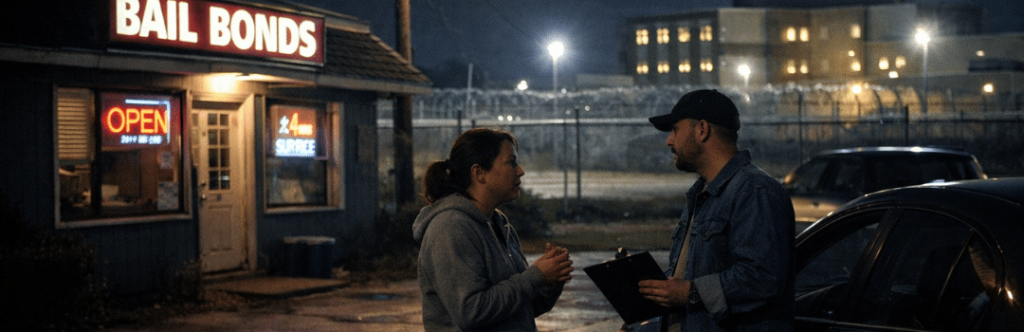
A bail bond in Colorado Springs is a financial agreement between the court, a defendant, and a bail bondsman that allows an arrested person to be released from jail while they wait for their court dates. Instead of paying the full bail amount set by the judge, you pay a licensed bondsman a non-refundable fee, and they post a bond guaranteeing the defendant’s appearance in court. This guide explains the entire process clearly so you know what to do and what to expect. Key Takeaways Bail Bonds Colorado Springs Complete Guide Getting a call that someone you know has been arrested is stressful. The hours that follow can feel confusing and overwhelming. Knowing exactly how the bail bond system works in Colorado Springs helps you act quickly and make informed decisions under pressure. Bail is money or property that the court holds as a guarantee the defendant will return for all scheduled hearings . If the defendant cannot afford to pay the full bail amount, a bail bond is the solution. A licensed bail bondsman posts the full amount with the court in exchange for a non-refundable fee, usually 10% to 15% of the total bail . This three-party contract involves the court, the defendant, and the bondsman. The bondsman takes on the financial risk. If the defendant fails to appear in court, the bondsman must pay the full bail amount to the court . That is why they require a co-signer and sometimes collateral to secure the bond. How Bail Bonds Work Colorado Springs Bail is not meant to be a punishment. It is a tool courts use to make sure defendants show up for their trial dates. When a person is arrested in Colorado Springs, they are taken to the El Paso County Criminal Justice Center (CJC) on Las Vegas Street for booking. During booking, the jail staff fingerprints the defendant, takes a mugshot, and gathers background information. This process takes several hours. After booking, the defendant either has a bond already set according to a bail schedule or waits to see a judge at an advisement hearing, usually held the next court day. The judge considers several factors when setting bail: the severity of the charges, the defendant’s criminal history, their ties to the community, and whether they pose a flight risk or public safety threat. Once bail is set, the defendant or their family can begin the process of posting bond. Colorado law places clear limits on what bondsmen can charge: “An insurance producer who writes bail bonds shall not charge a premium or commission of more than the greater of fifty dollars or fifteen percent of the amount of bail furnished.” – Colorado Revised Statutes § 10-2-707 This statute protects consumers by capping the premium at 15% of the total bail amount, with a minimum fee of $50. It also prohibits extra fees unless they cover specific costs like court filing charges or collateral storage. 24 Hour Bail Bonds Colorado Springs Help Arrests do not happen only during business hours. They happen late at night, on weekends, and on holidays. That is why having access to a 24-hour bail bondsman is essential in Colorado Springs. Reputable bail bond agencies operate around the clock, every day of the year . When you call, a licensed agent answers and immediately begins gathering information. They will ask for the defendant’s full name, date of birth, and booking number if you have it . Many agencies like Dennis Blackwell Bail Bonds now offer online bonding services. You can complete paperwork and sign documents electronically from your home or even your phone . This speeds up the process significantly because the agent can begin preparing the bond while you sleep, ready to file it first thing in the morning or immediately at the jail’s 24-hour bond window. Experienced Bail Bondsman Colorado Springs Process Working with an experienced local bondsman makes a real difference in how quickly your loved one gets released. They know the specific procedures at the El Paso County Criminal Justice Center and understand the local court system . Here is what happens when you work with a professional bail bondsman: An experienced bondsman also explains your responsibilities as a co-signer. They make sure you understand that if the defendant misses court, you could be responsible for the full bail amount . How to Get Someone Out of Jail Colorado Springs The first step is locating the defendant. Use the El Paso County Sheriff’s Office online inmate search to find their booking number and current charges. You will need their full legal name and date of birth to search . Once you have the booking number and bail amount, contact a local bail bondsman. Have the following information ready: After you provide this information, the bondsman will explain the fee and start the paperwork. You will sign as the indemnitor, pay the non-refundable premium, and possibly provide collateral if required. Once the bond is posted, the jail begins the release process. Cost of Bail Bonds Colorado Springs Explained Colorado law sets the maximum premium for bail bonds at 15% of the total bail amount . Many bondsmen charge between 10% and 15%, depending on the size of the bond and the specific circumstances . Here is a simple breakdown of what you can expect to pay: Bond Amount Premium at 10% Premium at 15% $1,000 $100 $150 $5,000 $500 $750 $10,000 $1,000 $1,500 $20,000 $2,000 $3,000 This premium is non-refundable. It pays the bondsman for their service and for taking on the financial risk. The court also charges a $10 bond processing fee in some cases . If you pay the full bail amount directly to the court in cash, you get that money back at the end of the case minus any court fees, provided the defendant makes all court appearances. Most families choose the bond option because paying the full amount upfront ties up money for months or years . Steps to Post Bail Colorado
Local Colorado Springs Bail Help: What You Need to Know

When someone gets arrested in Colorado Springs, bail lets them get out of jail by paying money or using a bond. The person must promise to come back to court when told. Most people go to the El Paso County Criminal Justice Center after arrest. A judge usually sets bail within 48 hours. Knowing how this works helps families act fast and stay calm. We will walk through each step so readers feel ready if bail is needed. Key Takeaways Here are three important things to know before we start. What Happens After an Arrest in Colorado Springs? When law enforcement arrests someone, they take the person to the El Paso County Criminal Justice Center for booking. During booking, staff write down personal information, take fingerprints, and take a photograph. They also list the charges and check for any past arrests. A bond hearing must happen within 48 hours. Colorado law requires this so people are not held longer than needed. A judge looks at the charges, the person’s ties to the community, and whether the person has missed court before. The judge also thinks about public safety. The Fourth Judicial District runs these hearings and follows clear rules for setting bail. According to the Colorado Revised Statutes, Colorado law requires that, “an in-custody arrestee be brought before a court for bond setting as soon as practicable, but no later than forty-eight hours after arrival at a jail or holding facility.” After bond is posted, state law mandates release within six hours unless extraordinary circumstances exist . What Types of Bail Bonds Are Available? Courts in Colorado Springs offer different kinds of bonds. Each type has its own rules. The judge decides which type to allow based on the case and the person’s background. Here are the most common bond types used in El Paso County: Each option works for different situations. Cash bonds need a lot of money right away. Surety bonds give families a more affordable way to get someone released. How Does a Surety Bond Work in Practice? A surety bond means working with a professional bail bondsman. The bondsman posts bail for the person in jail. This option helps when the full cash amount is too high to pay. The process starts when a family member calls a bail bond agency. The bondsman asks about the person in jail and the charges. Once the paperwork is signed, the bondsman files it with the jail. This can lead to a fast release, especially when the agency knows the El Paso County Criminal Justice Center well. A co-signer is usually needed for a surety bond. The co-signer agrees to pay the full bail if the person misses court. Many agencies offer 24/7 bail bonds Colorado Springs services to help at any time of day. What Factors Affect Bail Amount and Conditions? Judges look at several things when setting bail. They want to make sure the person comes back to court and does not pose a danger. Every case is looked at on its own. A risk assessment helps the judge decide. Serious charges often mean higher bail. The judge also checks if the person has missed court before. A history of missing court can lead to stricter rules or higher bail. Research from the University of Northern Colorado confirms the importance of these evaluations. According to a study on the Colorado Pretrial Risk Assessment Tool, pretrial risk assessments provide an objective analysis of an arrested person to determine whether he or she will reappear in court or will be rearrested upon being released from jail. This research was conducted with support from the Colorado Office of State Planning and Budgeting and has helped improve the accuracy of risk evaluations across the state . The judge may add extra rules beyond the bail amount. These can include GPS tracking, electronic monitoring, drug testing, or regular check-ins with Justice Services. For domestic violence cases, a restraining order may be required. These rules help keep everyone safe while the case moves forward. What Happens If Someone Misses Court? Missing a court date creates serious problems. The court acts quickly when someone does not show up. The person who helped with bail can also face consequences. Here are the typical results when a defendant misses court: If a court date is missed, fast action matters. An experienced bail bondsman may help with a process called consent of surety. This can sometimes get the bond back if the bondsman and court agree. How Do Bail Bond Professionals Help Locally? Bail bond professionals help families during stressful times. They explain the paperwork, court rules, and timelines. This support makes a hard situation easier to handle. An experienced bail bondsman knows the local courts and the El Paso County Criminal Justice Center. That knowledge helps avoid delays that come from missing paperwork. Many agencies are located near the jail, so they can process releases quickly. Dennis Blackwell Bail Bonds helps families understand their choices. The agency explains court requirements and what to do after release. Having a trusted professional to call reduces confusion and helps families focus on supporting their loved one. Colorado Springs Bail Process Explained Simply The bail process follows clear steps from arrest to release. Knowing these steps helps families know what to expect. Following these steps carefully helps avoid delays. Families who understand the process can act quickly when time matters. Frequently Asked Questions Can I bail someone out if I live in another state? Yes, you can still help someone get released even if you live outside Colorado. Most bail bond agencies allow you to complete the paperwork remotely by fax, email, or secure online forms. You may need to provide identification and possibly a credit card for the premium payment. The bondsman will guide you through the steps to ensure everything is handled correctly from a distance. What happens to the bail money if the charges are dropped? If the court dismisses the charges, any cash bond paid
A Complete Guide to Bail Bonds in Colorado Springs

When someone you know gets arrested in Colorado Springs, you want them out of jail as quickly as possible. A bail bond is a promise to the court that the defendant will show up for all their court dates. If you cannot pay the full bail amount in cash, a licensed bail bondsman can post a bond for you. You pay a fee, usually 10% to 15% of the total bail, and the bondsman guarantees the rest. This guide walks you through every step so you know exactly what to do. Key Takeaways Bail Bonds Colorado Springs Guide A bail bond is a legal contract. When you hire a bondsman, we sign papers promising the court that the defendant will appear for all hearings. You pay a premium for this service. This fee is non-refundable because it pays for the work we do to secure release. According to Colorado statute, “the division shall advise state court administrators that a person may furnish a bail bond if the person is a licensed insurance producer with a power of attorney from an insurance company, appears on the division’s website as an active insurance producer with casualty authority, and is appointed by that insurance company.” This means every bondsman you work with must meet strict state requirements to operate legally. The court sets bail based on the charges and the defendant’s history. If the defendant misses court, the bondsman must pay the full bail amount to the court. That is why bondsmen ask questions about the defendant’s job, family, and ties to the area before agreeing to help. Local Colorado Springs Bail Help Getting local help makes a big difference. Bail bond offices near the Criminal Justice Center on Las Vegas Street understand how the El Paso County jail works. They know when shifts change and which staff handle releases. National call centers do not have this local knowledge. Local bondsmen have built relationships with the courts on South Tejon Street over many years. When you call a local agency, you talk to someone who can drive to the jail immediately if needed. Local agents work 24 hours a day because arrests happen at any time. Expert Bail Bond Guide Local Type of Bond What It Means Cost to You Cash bond You pay the full bail amount to the court in cash. Full bail amount, returned if defendant shows up. Surety bond A bondsman pays the court for you. 10% to 15% fee, non-refundable. Personal Recognizance (PR) bond The judge releases the defendant on a promise to return. $0 upfront, but court costs may apply. Property bond You use Colorado real estate as collateral. Varies, plus fees for paperwork. To handle a bail situation like a pro, you need to know your options. A Personal Recognizance bond requires no money. The judge lets the defendant out based on their word alone. This usually happens for minor charges or first arrests. A surety bond is the most common option for families who do not have thousands of dollars in cash. A licensed bondsman posts the full bail amount for a fee. A property bond uses land or a house in Colorado as collateral. This option takes longer because the court must verify the property value. How to Use This Guide Use this guide as your roadmap during an emergency. Follow these steps in order: Do not wait. The faster you act, the faster the release happens. Where to Find Bail Info Real-time bail information comes from official sources. The El Paso County Sheriff’s Office website has a free inmate search tool. You can search by name or booking number to verify charges and bail amount. For warrant information, call the Colorado Springs Municipal Court warrants office at (719) 385-6153. They handle bench warrants for people who missed court. You can also visit in person at 224 East Kiowa Street. Warrants often include an extra $40 fee on top of bail. The Colorado Judicial Branch website provides legal forms like the JDF 370 Appearance Bond. This is the main form used for release. Guide for Local Bail Bonds A complete guide covers what happens after the bond is paid. Posting the bond is only half the process. The jail then begins out-processing, which takes two to six hours on average. During this time, jail staff: Colorado law says the jail cannot hold someone longer than six hours after bail is posted. This only applies if there are no other holds from other counties or states. Complete Bail Bond Resource Springs A full resource also covers costs and responsibilities. The premium you pay is the cost of the bondsman’s service. In Colorado Springs, this is typically 10% to 15% of the total bail amount. A $10,000 bail would cost $1,000 to $1,500 for the premium. This fee is non-refundable. Even if charges are dropped later, the premium does not come back. The fee pays for work already done: paperwork, phone calls, travel to the jail, and taking on financial risk. For higher bail amounts, bondsmen may ask for collateral. Collateral can be a car title, cash, or property deed. This protects the bondsman if the defendant runs. Why Use a Bail Guide A bail guide helps you avoid mistakes. When someone is arrested, families often feel scared and confused. They might pay too much or trust the wrong person. A guide shows you the right steps. “in a cash-bail system, the court permits an individual charged with a crime to go free pending their trial. In exchange, the court sets a cash amount, bail, that the person must pay to the court to ensure their appearance at trial. In this way, the cash bail operates as a kind of collateral: when the person appears, the court returns the money” – Steven D. Schwinn, professor at the University of Illinois Chicago School of Law You also learn your rights. If a defendant stays in jail for several days only because they cannot afford bail, they
How Bail Bonds in Colorado Can Protect Your Rights During Arrests

An arrest in Colorado can happen fast, and the consequences can escalate even faster. Whether it occurs in Pueblo, Colorado Springs, or anywhere in Southern Colorado, time matters. Every hour spent in jail can impact your job, your family, and your ability to properly defend yourself. Understanding how bail bonds in Colorado can protect your rights during arrests isn’t just helpful, it’s critical. Bail bonds safeguard your constitutional rights, allow you to prepare your defense, and help you regain stability while your case moves through the court system. If you or a loved one has been arrested, acting quickly can make all the difference. Understanding What Happens After an Arrest After someone is arrested, they are typically booked into jail and must wait for a bond hearing or bond amount determination. During this time, the court decides whether the individual can be released before trial and under what conditions. In counties like Pueblo County and El Paso County, this process can move quickly, or it can take time depending on the situation. Without bail, a person may remain in custody for days or even weeks while awaiting court dates. This can disrupt employment, family responsibilities, and access to legal counsel. Pretrial detention can create long-term consequences before a case is even resolved. Bail in Colorado and Why Does It Exist? Bail is a financial guarantee that allows a person accused of a crime to be released from jail while promising to return for court appearances. It is not a fine or a punishment—it is a form of security. The U.S. legal system operates on the principle that individuals are innocent until proven guilty. Bail helps uphold that principle by allowing defendants to remain free while preparing their defense. The Purpose of Bail Bail exists to balance public safety with individual freedom. How Bail Bonds Protect Your Rights The right to reasonable bail is protected under the Eighth Amendment. A bail bond makes that right accessible when the full bond amount is financially overwhelming. Preserving the Right to Legal Defense When released on bond, individuals can meet privately with their attorney, gather evidence, and actively participate in building a defense. Remaining in jail limits communication and preparation time. Protecting Employment and Income Extended pretrial detention can result in job loss. Losing employment can create financial hardship that affects housing, family stability, and future legal options. Bail helps maintain normalcy while the case proceeds. Maintaining Family Stability Parents, caregivers, and providers play critical roles in their households. Bail allows individuals to return home and continue supporting loved ones. Avoiding Pressure to Accept Plea Deals Studies show that individuals held in custody are more likely to accept plea agreements simply to secure release. Bail reduces that pressure and allows defendants to make informed decisions about their case. Types of Bail and Bond Options Not all bail is handled the same way. Understanding the different types can clarify the process. Type of Bond Description Cash Bond Full bail amount paid directly to the court Surety Bond Bail bondsman posts bond for a percentage fee Property Bond Property used as collateral Personal Recognizance Release based on promise to appear For many families, paying the full cash amount is not realistic. A surety bond allows individuals to secure release by paying a percentage of the total bail to a licensed bail bondsman. Why Speed Matters After an Arrest The first 24–48 hours after an arrest are critical. The longer someone remains in custody, the more disruption occurs. Quick bail action can: Delays cost more than time; they can cost stability. The Bail Bond Process Explained Working with a bail bondsman simplifies what can otherwise be a confusing process. Step 1: Contact a Bail Bondsman After the bail amount is set, a licensed bondsman reviews the case details and explains requirements. Step 2: Paperwork and Agreement The defendant or a co-signer completes necessary documentation and agrees to court compliance. Step 3: Bond Posting The bondsman posts the bond with the jail, securing release. Step 4: Court Appearances The defendant must attend all scheduled court dates to avoid forfeiture. This process can often move quickly, helping individuals return home sooner rather than later. Common Misconceptions About Bail Bonds “Posting Bail Means You’re Guilty” False. Bail does not indicate guilt. It simply allows release while awaiting trial. “Only Wealthy People Can Afford Bail” Surety bonds exist to make release accessible to more individuals by requiring only a percentage of the total bail amount. “Missing Court Is Not a Big Deal” Failing to appear can result in additional charges, bond revocation, and financial penalties. Compliance is essential. Choosing the Right Bail Bondsman Not all bail bond services operate with the same level of professionalism. Choosing an experienced, responsive provider can make a significant difference. Look for: An experienced Colorado bail bondsman understands the local jail systems, court schedules, and paperwork requirements, helping speed up the release process. Conclusion: Protect Your Rights When It Matters Most An arrest does not eliminate your rights. The legal system is designed to ensure fairness and due process, and bail bonds play a key role in that protection. By securing release quickly, individuals can work with legal counsel, maintain employment, and support their families while navigating the court process. Understanding how bail works empowers you to make informed decisions during one of life’s most stressful situations. Dennis Blackwell Bail Bonds If you or a loved one has been arrested and needs assistance securing release, Dennis Blackwell Bail Bonds is here to help. With 24/7 professional service and deep knowledge of the local legal system, their team works quickly to protect your rights and bring you home. Contact Dennis Blackwell Bail Bonds today for reliable support when you need it most. How Bail Bonds in Colorado Can Protect Your Rights During Arrests FAQs Does paying bail mean the case is over? No. Bail only secures temporary release. The legal process continues until the case is resolved. What happens if someone misses a court date? Missing
Dennis Blackwell Bail Bonds: The Top Choice for Pueblo Residents

When you’re facing the uncertainty of being arrested or having a loved one behind bars, you need a reliable and trustworthy bail bond service. Dennis Blackwell Bail Bonds is a family-owned and operated agency that has earned a reputation as the top bail bond service in Pueblo. With a commitment to providing exceptional service and compassionate support, they help you manage the bail process. By choosing Dennis Blackwell Bail Bonds, you can trust that you’re in good hands. Their experienced team is dedicated to helping you secure the release of your loved one or yourself, allowing you to regain your freedom and start moving forward. Key Takeaways Understanding Bail Bonds in Pueblo When you’re arrested in Pueblo, Colorado, understanding the bail bond process is crucial for getting released. The bail bond system can be complex, but it’s designed to ensure that you appear in court as required while allowing you to remain free until your trial. The Legal Framework of Bail in Colorado In Colorado, the legal framework for bail is established by state laws that dictate how bail is set and how bail bonds are administered. The bail amount is typically determined by a judge based on the severity of the crime, your criminal history, and the likelihood of you appearing in court. Key factors influencing bail amounts include: How Bail Bonds Work in Pueblo County A bail bond is a financial guarantee provided by a bail bondsman that you will appear in court as scheduled. If you fail to appear, the bail bondsman is responsible for paying the full bail amount to the court. The process involves: Common Misconceptions About Bail Bonds Many people misunderstand the purpose and process of bail bonds. One common misconception is that bail is a form of punishment or a means to profit from your arrest. “Bail is not a punishment, it’s a mechanism to ensure the defendant’s appearance in court.” – The Role of a Bail Bondsman in Your Case A bail bondsman plays a crucial role in the bail process by providing the necessary financial guarantee for your release. They also often provide guidance and support throughout the legal process. Services Description Bail Bond Posting Providing the financial guarantee for your release Legal Guidance Offering advice and support throughout your case Flight Risk Management Ensuring you appear in court as scheduled The History of Dennis Blackwell Bail Bonds in Pueblo Since its inception in 1992, Dennis Blackwell Bail Bonds has established itself as a trusted bail bond company in Pueblo. With a commitment to honesty and professionalism, the company has built a lasting reputation in the community. Establishment and Growth in the Community Dennis Blackwell Bail Bonds began serving Pueblo residents with reliable bail bond services. Over the years, the company has grown, adapting to the community’s changing needs while maintaining its core values. Building a Reputation of Trust and Reliability The company’s dedication to transparency and customer service has earned it a reputation as a trusted bail bond provider. Clients appreciate the compassionate approach and the professionalism displayed by the bail bond agents. Why More Pueblo Residents Are Choosing Dennis Blackwell Bail Bonds Pueblo residents are increasingly turning to Dennis Blackwell Bail Bonds for their bail bond needs. This preference is not accidental; it’s the result of a combination of fast, affordable, and compassionate services that Dennis Blackwell Bail Bonds offers. Customer Testimonials and Success Stories Clients praise Dennis Blackwell Bail Bonds for their professionalism and efficiency. One client noted, “Dennis Blackwell Bail Bonds made a difficult situation much more manageable. Their staff was courteous and knowledgeable.” Such testimonials highlight the company’s commitment to customer satisfaction. Comparison with Other Bail Bond Services in Pueblo When comparing bail bond services in Pueblo, several factors come into play. Dennis Blackwell Bail Bonds stands out due to its competitive pricing, rapid response times, and personalized service. Dennis Blackwell Bail Bonds Reviews Reviews consistently praise Dennis Blackwell Bail Bonds for their reliability and customer care. The company’s high rating is a testament to its dedication to serving the Pueblo community. What Sets Dennis Blackwell Apart Feature Dennis Blackwell Bail Bonds Other Bail Bond Services Response Time 24/7 Rapid Response Limited Availability Pricing Competitive and Transparent Often Higher with Hidden Fees Customer Service Personalized and Compassionate Varies, Often Less Personal Dennis Blackwell Bail Bonds is distinguished by its rapid response times, transparent pricing, and personalized customer service. These factors combined create a superior experience for Pueblo residents. 24/7 Availability: Support When You Need It Most Dennis Blackwell Bail Bonds understands that emergencies don’t adhere to a schedule, which is why they offer 24/7 support. When you or a loved one is arrested, the last thing you need is to wait for business hours to begin the bail process. Emergency Bail Bond Services The team at Dennis Blackwell Bail Bonds is equipped to handle emergency bail bond services at any time. Whether it’s the middle of the night or during a holiday, their experienced agents are available to guide you through the process. Rapid Response Times in Pueblo County With their local presence in Pueblo County, Dennis Blackwell Bail Bonds can respond quickly to your needs. Their rapid response times ensure that you can secure a bail bond as soon as possible, minimizing the time spent in custody. Contacting Dennis Blackwell Bail Bonds After Hours If you’re contacting them after hours, you can expect a prompt response. Their system is designed to quickly connect you with an available agent who can assist with your emergency bail bond needs. What to Expect During Your First Call During your first call, the agent will gather necessary information about the arrest and the bail bond required. They will explain the process, the fees involved, and what you need to do next to secure the bail bond. Service Availability Response Time Emergency Bail Bonds 24/7 Immediate Bail Bond Guidance 24/7 Within 30 minutes After-Hours Support 24/7 Prompt By choosing Dennis Blackwell Bail Bonds, you can rely on their 24/7